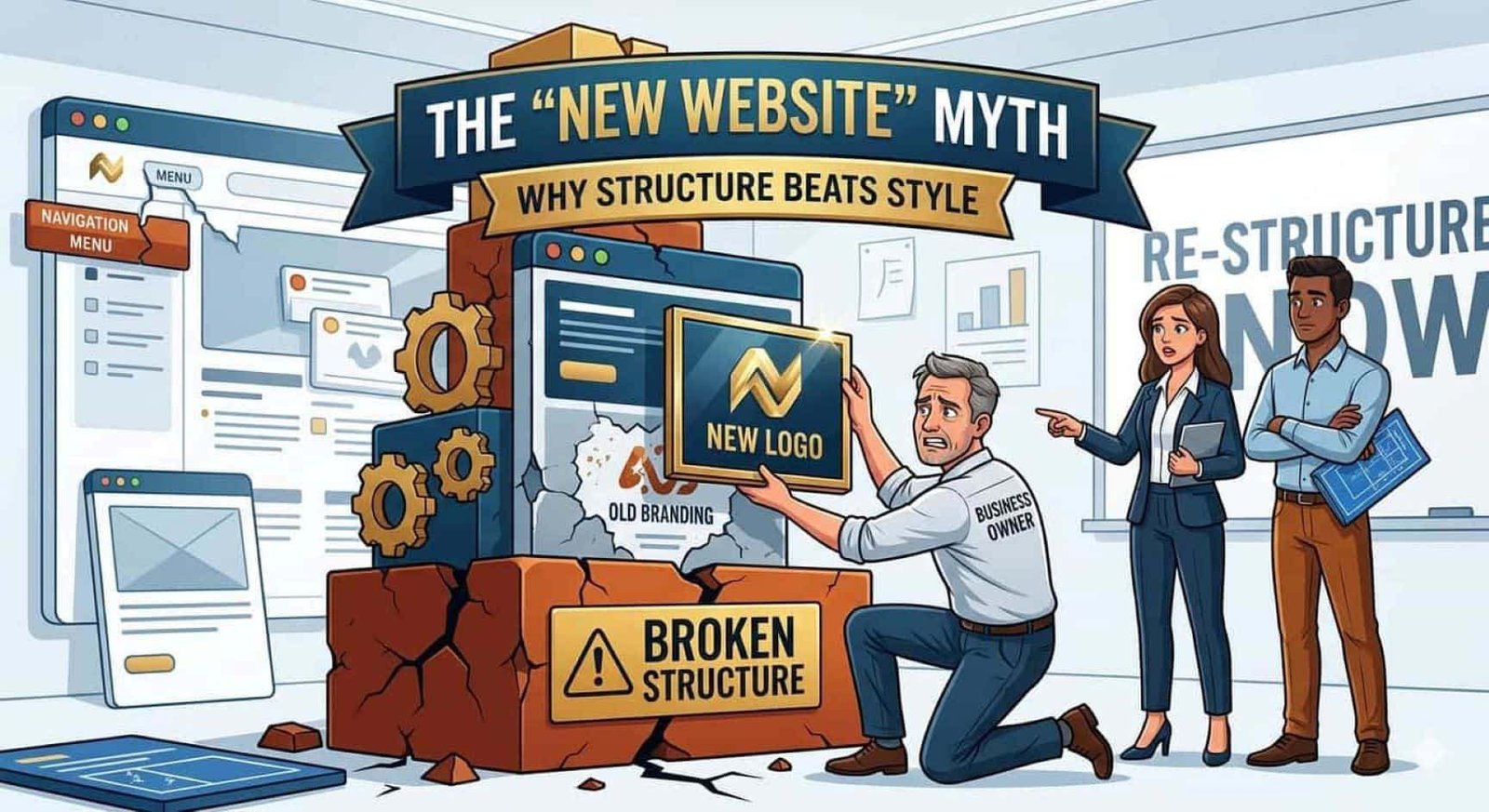


Building a new website is exciting, but it is also a major business decision. Before choosing a design, writing content, or discussing features, you need to understand what the website should actually achieve.
A good website should do more than look professional. It should help your business attract the right people, explain what you offer, build trust, and turn visitors into customers.
So, before you start building a new website, answer these seven questions.
1. What Is the Main Goal of Your New Website?
Start with the most important question: What do you want your website to accomplish?
Your goal could be generating leads, selling products, booking appointments, getting phone calls, showcasing your services, or simply giving your business a stronger online presence.
For example, a local service business may want more quote requests, while an online store may focus on product sales.
Without a clear goal, it becomes easy to add features that look impressive but do not help the business.
Ask yourself: What is the one action you want visitors to take?
2. Who Is Your Website For?
Your website is not really for everyone. It is for the people most likely to need your products or services.
Think about your ideal customers. What problems are they trying to solve? What questions do they have? What might stop them from contacting you?
Once you understand your audience, you can make better decisions about your website’s design, content, navigation, and calls to action.
For example, a professional service company may need a more informative approach, while a restaurant may need to make menus, locations, and bookings easy to find.
3. What Makes Your Business Different?
Before building a new website, identify what makes your business worth choosing.
Maybe you offer faster service, better support, more experience, a unique process, or a product that competitors do not offer.
Your website should communicate this difference clearly.
Visitors should not have to search through several pages to understand why they should choose you. Instead, your value should be visible from the beginning.
Tip: Write one simple sentence that explains why customers should choose your business. Use that message to guide your website content.
4. What Pages and Content Do You Actually Need?
It is tempting to create a long list of pages. However, more pages do not automatically make a website better.
Start with the pages your customers genuinely need. These may include:
- Home
- About
- Services or Products
- Portfolio or Case Studies
- Testimonials
- FAQ
- Contact
The exact structure depends on your business.
Also, think about the information customers need before they contact you. Clear service descriptions, pricing guidance, project examples, reviews, and FAQs can make their decision much easier.
If you are planning your site structure, you can also review our guide to website sections for ideas.
5. What Action Should Visitors Take?
A website can receive plenty of visitors and still produce very few customers.
That is why every important page should have a clear next step.
Depending on your business, that could be:
- Request a quote
- Book a consultation
- Call your business
- Buy a product
- Schedule an appointment
- Contact your team
Do not make visitors guess what to do next.
Instead, use clear calls to action throughout the website. When the next step is obvious, visitors can move from simply browsing to taking action.
6. How Will Your Website Be Found on Google?
A new website should not only be designed for people who already know your business. It should also help potential customers discover you through search.
Think about the questions and phrases your customers use when searching for your services.
For example, a local business might target searches related to its service and location. A professional company may create useful pages around common customer problems and questions.
Google recommends creating helpful, people-first content and using descriptive titles, headings, and other relevant text so search engines can better understand your pages.
Therefore, SEO should be considered during the planning stage, not added as an afterthought.
You can also learn more from Google Search Central’s SEO documentation, which covers search-friendly website practices.
7. How Will You Measure Success?
Finally, decide how you will know whether your new website is actually working.
A website should have measurable goals.
Depending on your business, you could track:
- Contact form submissions
- Phone calls
- Quote requests
- Online bookings
- Product sales
- Organic search traffic
- Key page visits
- Conversion rates
For example, if the main goal is lead generation, simply watching visitor numbers is not enough. You should also look at how many visitors become actual leads.
Google Search Console can help website owners monitor how their site performs in Google Search.
Build Your Website Around Your Business Goals
A successful new website starts long before the first design mock up.
When you know your goals, audience, competitive advantage, required content, calls to action, SEO strategy, and success metrics, the entire project becomes easier to plan.
More importantly, you avoid spending money on features that do not support your business.
So, before you start building, take some time to answer these seven questions. The clearer your answers are, the better decisions you can make throughout the website project.
Your website should not just represent your business. It should help move your business forward.